Hot Pink | 180 Washi Tapes: A Burst of Creative Energy
The Visual Personality of Torn Washi Tape
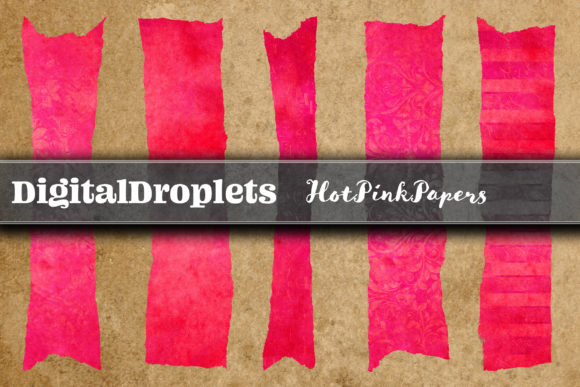
There's something undeniably joyful about hot pink. It's bold without being aggressive, playful without losing sophistication. When that energy gets translated into torn washi tape designs, you get a collection that feels both spontaneous and polished. The Hot Pink | 180 Washi Tapes set captures that exact feeling—digital tape strips that look like they were just torn from a roll, each one carrying the organic imperfections that make real washi tape so charming.
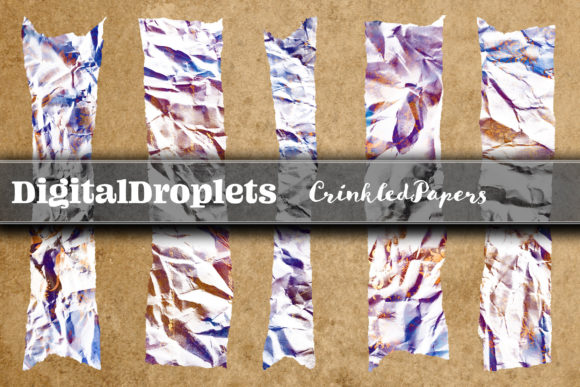
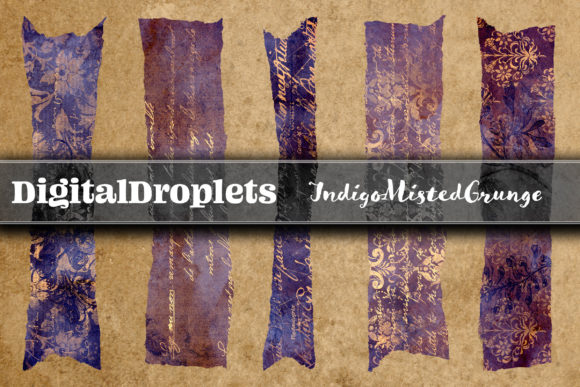
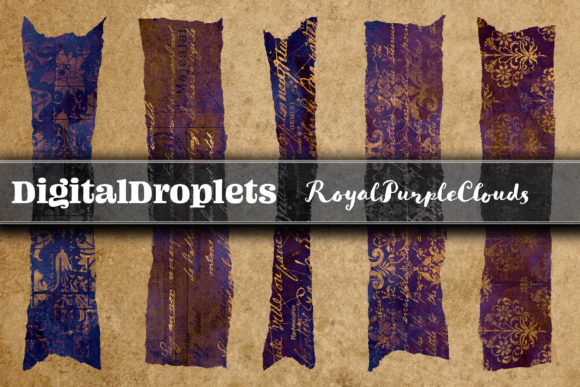
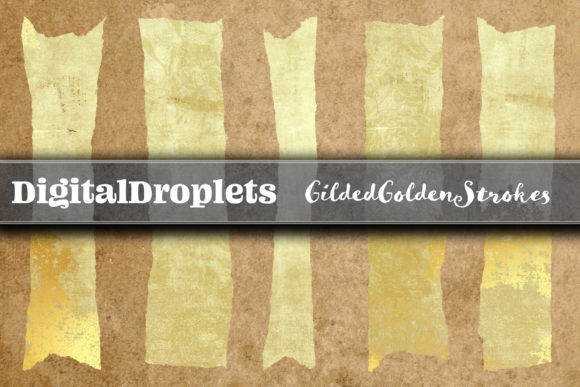
What makes this collection stand out is the torn edge effect. Unlike perfectly cut digital tape, these strips have that authentic, handmade quality. The edges aren't symmetrical. They have personality. That slight irregularity is what separates generic digital elements from assets that actually feel real when you layer them into your projects. You're getting 9 different tape shapes across 20 unique patterned papers, which means 180 distinct options to work with.
The PNG format with transparent backgrounds is practical for real workflow. You can drop these onto any surface—digital scrapbook pages, social media graphics, website banners—and they integrate naturally. Adjust the transparency if you want that translucent cello tape effect where the background peeks through, or keep them opaque for a more solid decorative accent. The maximum size of 10.8 inches by 2.9 inches gives you flexibility for both detailed close-up work and larger compositions.
Where These Digital Tapes Actually Work
I've seen designers use washi tape elements in ways that genuinely improve their projects rather than just decorating them. On scrapbook pages, they function as visual anchors—small bursts of hot pink that guide the eye across a layout. In digital photo albums, they create informal frames around images, adding warmth that rigid borders can't achieve. The torn edges soften the overall feel, making pages look lived-in rather than sterile.
For junk journal creators, this collection is particularly useful. Junk journals thrive on layered textures and the appearance of collected ephemera. These tapes look like they were pulled from a craft drawer and pressed onto a page. You can overlap them, angle them, let them extend beyond the edges of your design. That visual messiness is intentional and appealing to audiences who appreciate handmade aesthetics.
Card makers and invitation designers find practical applications too. A strip of hot pink torn tape across the corner of a birthday invitation adds personality without overwhelming the text. On business cards, small tape accents can reinforce brand colors while keeping the design approachable. Poster designs benefit from these elements when you need to break up whitespace or create visual pathways between content sections.
Planner stickers represent another strong use case. The variety of 180 designs means you won't repeat the same tape pattern across a monthly spread. Different patterns from the Hot Pink | 180 Washi Tapes set can categorize tasks, highlight important dates, or simply add color to functional planning pages. Bloggers and content creators also use similar tape elements in Pinterest graphics and Instagram stories to create cohesive visual branding across platforms.
Practical Guidance for Working with This Collection
Start by downloading the free samples available in the shop before committing to the full set. Test a few designs in your actual projects. See how they interact with your existing design assets and brand colors. Hot pink is a strong hue, so evaluate whether it complements or competes with your other elements.
Consider your project's overall tone. These tapes work beautifully in creative, casual, and artisan contexts. They're excellent for brands that want to appear approachable and energetic. A bakery, a boutique stationery shop, a children's clothing line, a creative coaching business—these are environments where hot pink torn tape elements feel authentic. They might feel out of place in corporate financial reports or ultra-minimalist tech branding, though there are always exceptions depending on execution.
Layering matters. Place tape elements over photographs, patterned backgrounds, or solid color blocks to create depth. Try overlapping multiple tapes from the collection at different angles. The variety of 9 shapes per paper means you can mix straight-edged strips with more irregular torn pieces for visual interest. Adjust opacity levels to create dimension—fully opaque tapes sit on top of your design, while reduced opacity lets them blend into the background.
Font pairing is worth considering when these tapes accompany text. The playful, handmade quality of torn washi tape pairs naturally with handwritten fonts, casual sans serif typefaces, and friendly serif fonts. Avoid pairing them with extremely formal display fonts or rigid geometric typefaces unless you're intentionally creating contrast. The visual language should feel cohesive throughout your design.
For commercial projects, review the licensing terms to confirm they cover your intended use. Most digital design assets like these are licensed for both personal and commercial work, but specifics matter when you're creating client deliverables or products for sale. The collection's breadth—180 unique designs—gives you enough variety to maintain freshness across multiple projects without reusing the same elements repeatedly.
If you need a specific paper pattern that hasn't been converted into the torn tape format yet, reach out through the creator's Facebook or Instagram. Custom requests are welcomed, which is a practical advantage over purchasing from larger stock asset platforms where you're limited to what's already listed. This kind of flexibility matters when you're building a specific brand identity and need design assets that align precisely with your vision.
The Hot Pink | 180 Washi Tapes collection ultimately functions as a versatile design tool rather than a one-note decorative element. Whether you're designing social media graphics, building a brand identity, creating print materials, or crafting personal projects, having 180 variations of a single color theme gives you both consistency and creative range. That combination is harder to find than it sounds.