Crinkled Paper Vol. 1: 180 Unique Washi Tapes for Digital Design
Unleashing Tactile Charm in Your Digital Projects
There's a certain magic in the imperfect edge of torn paper, the subtle texture of a crinkled surface. It evokes a sense of handmade authenticity that digital design sometimes struggles to replicate. This is precisely the feeling captured in the Crinkled Paper Vol. 1 | 180 Washi Tapes collection. It’s not just a set of digital assets; it’s a toolkit for injecting warmth, personality, and a distinct tactile quality into your work. As a designer who values assets that bridge the gap between the analog and digital, I find this kind of resource invaluable for adding depth and narrative to visual projects.
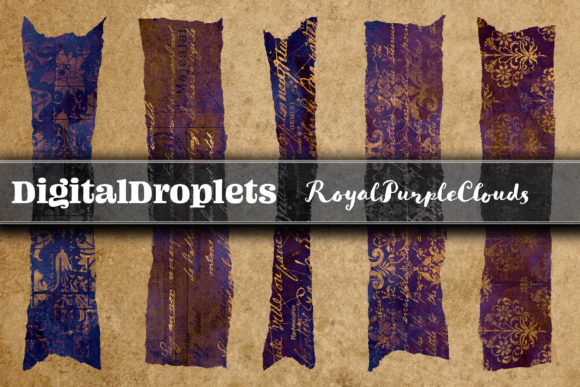
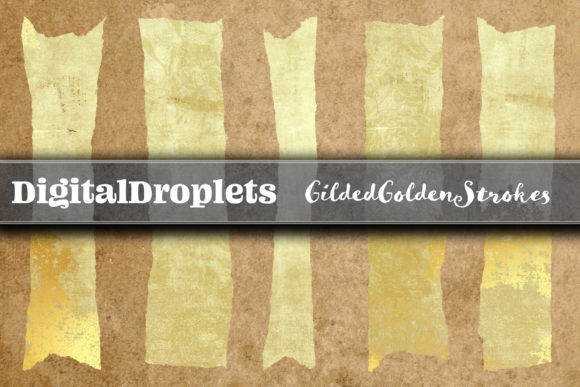
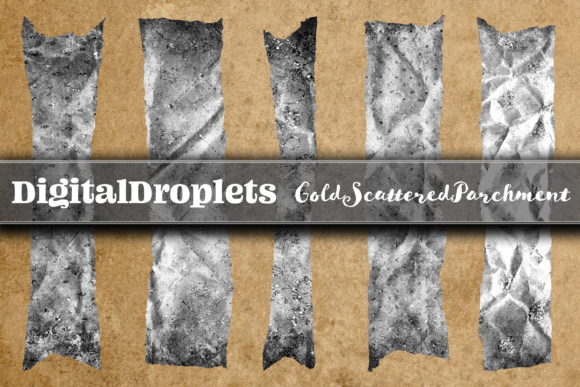
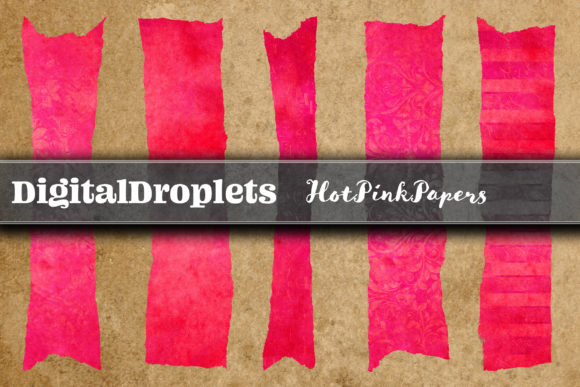
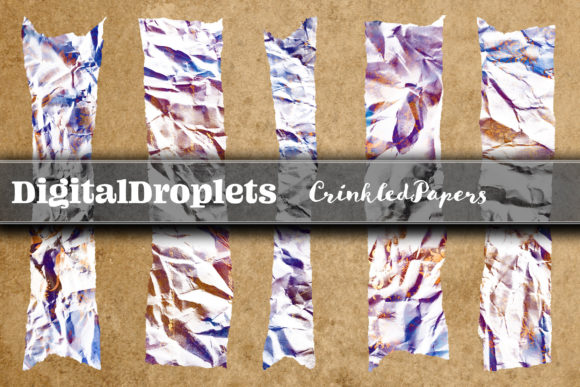
This collection is built from a foundation of 20 unique crinkled paper textures. From each of these papers, nine distinct washi tape shapes are derived, resulting in a staggering 180 individual tapes. Each one is provided as a high-resolution PNG with a transparent background, offering immediate versatility. The visual character of these tapes is their core strength. They carry the nuanced shadows, subtle highlights, and irregular tears that make physical materials so appealing. Whether you need a tape that looks delicately peeled or one with a more pronounced, fibrous edge, the variety within the set provides a robust palette for creative expression.
Practical Applications: From Brand Collateral to Personal Keepsakes
The true value of any design asset lies in its adaptability. The Crinkled Paper Vol. 1 set shines across a remarkable spectrum of applications, making it a worthwhile investment for professionals and hobbyists alike. Its utility extends far beyond simple decoration, serving as a functional element that can guide the viewer's eye and establish a specific mood.
For brand identity and packaging design, these tapes offer a solution for brands seeking a human, artisanal, or vintage feel. Imagine using them on product labels for a boutique candle company, on the mockups for a local coffee roaster's packaging, or as part of a stationery brand's logo design presentation. They communicate care and a hands-on approach without the cost of physical prototyping. In editorial design and publishing, they are perfect for scrapbook pages, digital photo albums, and junk journals. They can act as phot corners, tab markers, or decorative borders in a magazine layout, adding a layer of curated spontaneity to web design hero sections or blog graphics.
The applications are equally powerful in marketing and social media graphics. Use a strip of this digital washi tape to highlight a key testimonial in an Instagram post, to "tape" a promotional graphic to a virtual bulletin board in an email newsletter, or to create a cohesive, textured look for a series of Pinterest pins. For content creators and bloggers, they provide a quick way to add visual interest to text-heavy posts, creating visual hierarchy and breaking up paragraphs in an engaging way. The transparency of the PNGs means they can be layered over images, text, and other graphic elements with ease, functioning much like their physical counterparts but with the infinite flexibility of digital editing.
Integrating Texture into Your Design Workflow
Effectively incorporating a resource like the Torn Washi Tape Collection into your projects requires a bit of strategic thinking. It’s about enhancing, not overwhelming. Here’s some practical guidance on how to make the most of these 180 tapes.
First, consider the personality and style of your project. The crinkled paper aesthetic is inherently warm and slightly nostalgic. It pairs exceptionally well with other organic elements: handwritten or script fonts, watercolor backgrounds, and earthy color palettes. For a more modern twist, try juxtaposing these tapes with clean sans serif fonts and minimalist layouts. The contrast between the structured type and the irregular tape creates a dynamic tension that is visually compelling. This is a classic font pairing strategy where texture meets precision.
When testing, don't just drop a tape onto your canvas. Play with its scale, rotation, and opacity. The product description mentions that adjusting the transparency can yield a "cello tape effect." This is a key tip. At full opacity, the tapes have a strong, papery presence. Reduce the opacity, and they become more subtle, allowing the underlying design to show through, mimicking the look of clear adhesive tape. This simple adjustment can dramatically change the asset's role in your composition.
Think about visual hierarchy. A brightly colored or highly textured tape can serve as an anchor point or a call-to-action. A more muted, neutral tape might be better for creating consistent borders or frames that don’t compete with your primary content. For commercial projects, always double-check the licensing. This set is designed for broad use, but understanding the terms ensures your brand identity work or client deliverables are fully protected.
Finally, explore the full collection. With 180 options, there's a tape for nearly every context. Don't limit yourself to the obvious. A tape that looks like it was torn from a blueprint could be perfect for an architect's portfolio, while one with a floral pattern could elevate a wedding invitation suite. If you don’t find the exact paper pattern you need, the creator offers a custom service, which is a testament to the asset's potential as a core component of a design asset library. This collection is more than just decoration; it's a versatile tool for adding a layer of authentic, tactile storytelling to any digital canvas.