Glitter Galore Papers V. 18: Textured & Sparkling Backgrounds
When you're building a brand or crafting a project, the background isn't just empty space—it’s the foundation of your visual story. Too often, creators settle for flat, digital colors that lack the tactile warmth of real life. If you're working on a vintage scrapbook, a medieval-themed layout, or even a cozy junk journal, that digital flatness can kill the vibe instantly. That is why finding the right design assets is just as crucial as selecting the right typeface for your headlines. Today, I want to walk through a specific collection that solves this tactile problem beautifully: the Glitter Galore Papers V. 18 | Collection.
The Anatomy of a Great Background
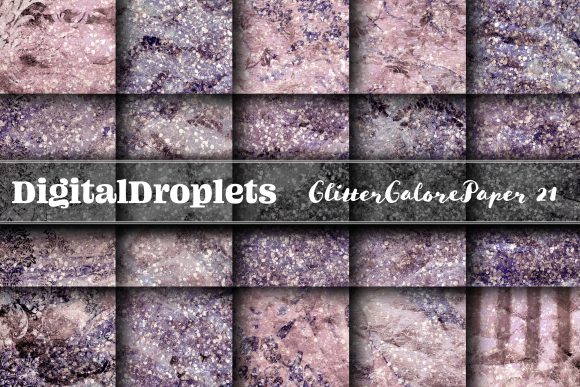
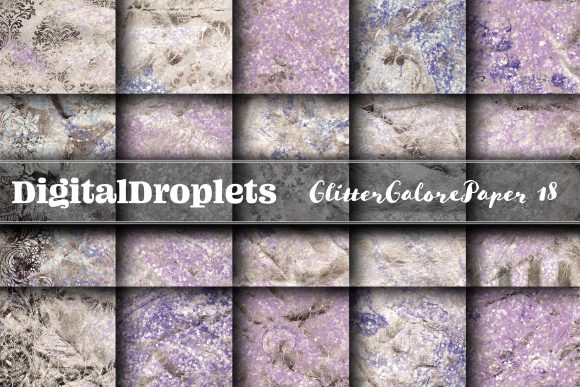
Unlike standard digital papers, the Glitter Galore Papers V. 18 | Collection is built on a foundation of "crinkle" texture. This isn't just a visual filter; it mimics the look of paper that has been handled, loved, and aged. It brings a level of realism that flat vectors simply can't achieve. But the texture doesn't stop there. The creators have subtly overlaid lace and damask patterns onto this crinkled base.
For anyone familiar with editorial design or packaging design, you know that layering textures creates depth. The "cardboard" elements give it a rustic, grounded feel, while the final layer—glitter—adds a touch of elegance. It creates a fascinating contradiction: the roughness of cardboard meeting the sparkle of a celebration. This makes the collection incredibly versatile. It feels expensive and curated, which is exactly what you want when you are trying to build a premium brand identity without using a generic premium font background.
Practical Applications for Creators and Entrepreneurs
How do you actually use a set like this in the real world? The Glitter Galore Papers V. 18 | Collection is a 12x12 set, which is the standard for scrapbooking, but its utility goes far beyond that. As a designer, I often look for assets that can be cropped and repurposed without losing their character. Here is how different audiences can leverage these textures:
- Junk Journaling and Scrapbooking: This is the most obvious use. The subtle lace patterns serve as a perfect backdrop for vintage photographs. Because the texture is so rich, you don't need to clutter the page with too many elements. The background does the heavy lifting for your visual hierarchy.
- Digital Content and Social Media: If you are a blogger or content creator, these textures work wonderfully for quote graphics or "list" posts. They provide a warm, organic feel that stands out against the sterile white backgrounds common on platforms like Instagram or Pinterest. It aids in audience engagement because it feels more human and handcrafted.
- Product Mockups and Packaging: If you sell physical goods—like soaps, candles, or stationery—these textures can be used to create labels or wrap designs. The "glitter" element suggests celebration, making them ideal for birthday cards, wedding invitations, or gift wrap. It adds a layer of professionalism to your home decor or product photography.
- Web Design: While you wouldn't use a heavy glitter texture as a main website background (readability is key), it works beautifully for sidebar graphics, header banners, or email newsletter backgrounds. It adds a tactile quality to web design that CSS gradients cannot replicate.
Pairing Textures with Typography
One of the most common mistakes in graphic design is choosing a background that fights with the text. Because the Glitter Galore Papers V. 18 | Collection features intricate damask and lace patterns, you have to be thoughtful about your font pairing.
If you are using these papers for a logo or a card header, avoid highly detailed script fonts or handwritten fonts with thin strokes. They will get lost in the texture. Instead, opt for a bold serif font or a heavy sans serif font. The clean lines of a sans serif font create a stark, modern contrast against the vintage, ornate background. Conversely, a sturdy, high-contrast serif font can lean into the vintage vibe, reinforcing that medieval or classical aesthetic.
For example, imagine a wedding invitation using one of the lighter, lace-heavy papers from this collection. Pairing it with a classic serif font for the body text and a decorative display font for the names creates an immediate sense of elegance. The background texture supports the text rather than competing with it. This is how you use design assets to influence brand perception—the texture tells the viewer that the event (or brand) is traditional, detailed, and celebratory.
Evaluating the Fit for Your Project
Before downloading or purchasing, it is always smart to evaluate the technical specs. The Glitter Galore Papers V. 18 | Collection includes 10 high-resolution JPEG files at 300dpi. This is standard for print quality, ensuring that your flyers, cards, or album pages won't look pixelated when printed.
However, you should consider the "busyness" of the design. If your project requires a lot of text—like a dense blog post or a business flyer—ensure you place a semi-transparent white or cream box behind your text. This preserves the readability of your modern typography while still allowing the edges of the glitter and texture to frame the content.
Also, check the licensing. Since this is listed as a collection suitable for commercial use (cards, tags, blog design), it is a solid investment for small business owners. You can use these textures repeatedly across different social media graphics and print materials to maintain brand consistency. It’s a cost-effective way to get a high-end look without hiring a photographer to take custom textured photos.
Final Thoughts on Texture and Style
The Glitter Galore Papers V. 18 | Collection is more than just a set of digital files; it is a toolkit for adding warmth and dimension to your work. Whether you are designing a logo design for a vintage shop, creating washi tape strips for a planner, or assembling a digital collage, these backgrounds provide a rich, tactile starting point.
By combining the ruggedness of cardboard textures with the delicacy of lace and the sparkle of glitter, this collection bridges the gap between rustic and refined. It reminds us that in a digital world, the illusion of texture remains one of the most powerful tools in a designer's arsenal. If you are looking to elevate your next project, moving beyond flat colors to textured backgrounds like these is a practical, effective step toward better visual storytelling.