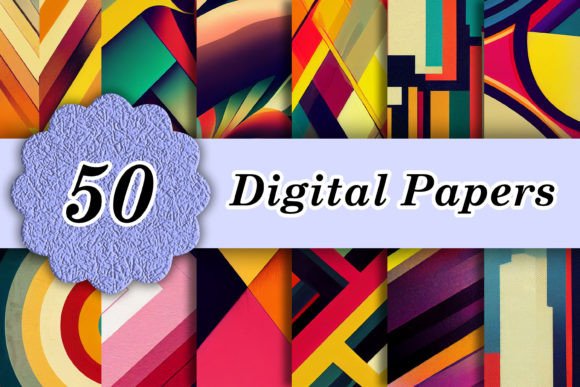
50 Abstract Retro Vintage Digital Papers: Instant Texture & Style
Finding the right background can make or break a design project. A solid color often feels too flat, while a photograph can be too distracting. This is where texture comes in. The 50 Abstract Retro Vintage Digital Papers collection offers a solution for creators who need immediate depth, character, and a specific aesthetic. These aren't just random patterns; they are curated backgrounds designed to evoke a feeling of nostalgia and artistry.
Think about the projects that catch your eye online. Often, it's the subtle texture behind a social media post, the worn feel of a product mockup, or the layered background of a website hero section. These Retro Vintage Abstract Backgrounds provide that professional finish. They are designed to be versatile tools for a wide range of creative professionals. Whether you are a graphic designer working on a client's brand identity, a blogger creating unique featured images, or a small business owner developing packaging, having a library of high-quality, ready-to-use textures saves time and elevates the final output.
Understanding the Visual Language
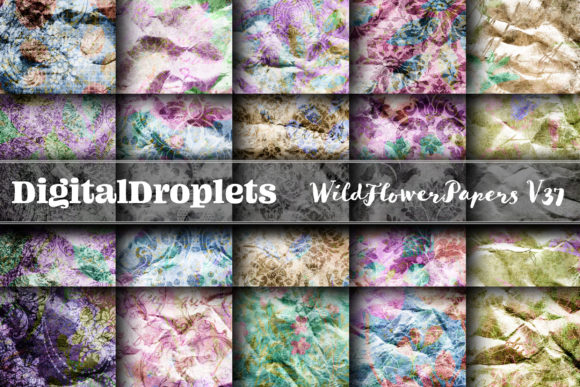
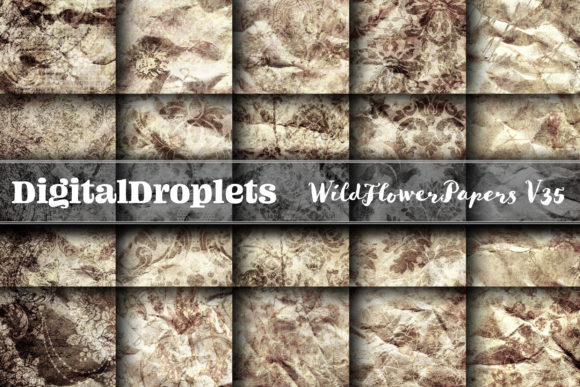
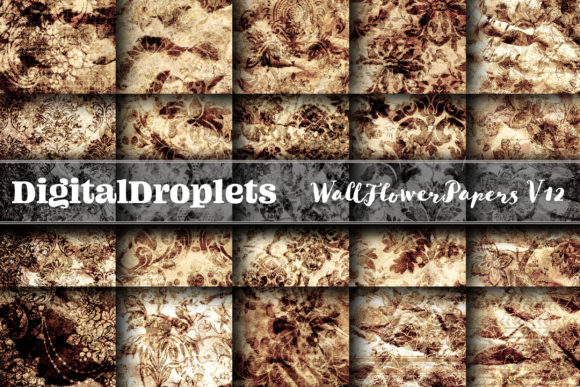
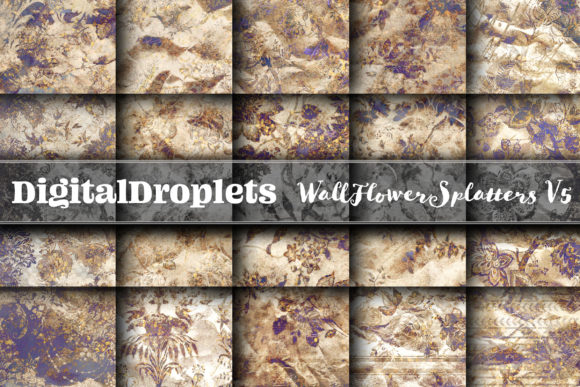
The appeal of this collection lies in its fusion of two distinct styles: retro and vintage. The retro aspect often brings in bold color palettes, geometric shapes, and a mid-century modern feel. You might see elements reminiscent of 1960s and 70s graphic design—think grainy textures, faded hues, and abstract compositions that feel both organic and structured. The vintage component adds a layer of age and authenticity. This could manifest as paper grain, subtle stains, or a weathered look that suggests history. Together, these 50 Abstract Retro Vintage Digital Papers create a unique visual personality: one that is warm, textured, and rich with creative potential.
Each file in this set is a 12" x 12" (3600 x 3600 pixel) JPG at 300 dpi. This is a standard, high-resolution format for print design, ensuring your final product will be sharp and clear. The square format is particularly useful for digital projects, as it crops easily for various social media platforms and web banners without losing the core of the design. The abstract nature of the patterns means they can be used as full backgrounds or cropped into smaller sections for accents, borders, or collage elements.
Practical Applications for Designers and Creators
The true value of a design asset is measured by its utility. These backgrounds are not just for looking at; they are for working with. Here’s how different professionals can integrate them into their workflow.
For logo design and brand identity, texture adds a tangible quality. Imagine a logo for a coffee roaster or a boutique hotel. Placing the logo over one of these textured backgrounds for a mockup presentation instantly communicates the brand's character—whether it's artisanal, nostalgic, or eclectic. It helps tell a story beyond the mark itself. In packaging design, these papers can serve as the literal background for labels, boxes, and tags. A vintage-style texture on a product label for artisanal goods, candles, or cosmetics immediately signals quality and craftsmanship, influencing brand perception before the customer even uses the product.
In the digital realm, web design and social media graphics benefit immensely from texture. A plain white website can feel sterile. Using a subtle, abstract vintage paper as a background behind a testimonial section or a call-to-action adds visual interest without overwhelming the text. For social media, these backgrounds are perfect for creating cohesive post series. A content creator can use different papers from the set for different content pillars (e.g., one texture for quotes, another for tips), helping to build visual consistency and recognition in a crowded feed. The 12" x 12" size is ideal for Instagram square posts and stories.
For editorial design, such as magazine layouts, book covers, or digital zines, these papers provide instant atmosphere. A book cover for a historical fiction novel or a poetry collection would gain depth from a textured background. In print projects like wedding invitations, greeting cards, or art prints, these digital papers are a ready-made foundation. A crafter can print them directly onto cardstock to create unique scrapbook pages, journal covers, or mixed-media art pieces.
Making the Most of Your Assets
Having the files is one thing; using them effectively is another. Here are some practical tips for working with this collection of 50 Abstract Retro Vintage Digital Papers.
Evaluate the Project Fit: Not every project calls for a retro vibe. Before diving in, consider your audience and message. Is the goal to convey modernity and cleanliness, or warmth and nostalgia? These backgrounds are perfect for the latter. They work exceptionally well for brands in lifestyle, food & beverage, wellness, handmade goods, and creative services.
Test Font Pairings: The background texture will interact with your typography. A bold, geometric sans serif font can create a striking contrast against a soft, organic vintage texture, making the text pop. Conversely, a elegant serif font or a flowing script font can complement the texture, creating a harmonious, layered look. Always test your chosen typeface over a section of the background to ensure readability. The texture should enhance, not compete with, your message.
Layer and Modify: Don't feel limited to using the papers as-is. In design software like Photoshop or Illustrator, you can adjust the opacity, blend modes (like Multiply or Overlay), or even desaturate the color to create a more muted tone. You can combine two textures together for a unique effect. This flexibility turns a single asset into dozens of possibilities.
Understand the File Format: The collection comes as a .zip file containing 50 .JPG images. JPGs are universally compatible and ideal for print and digital use. However, remember they are flattened images. If you need to isolate specific elements (like a particular shape within the abstract design), you may need to use masking tools in your editing software.
Commercial Use Clarity: This is a critical point for entrepreneurs and designers. The provided license for these digital papers should be reviewed carefully. Typically, such assets allow for use in end products for sale (like printed merchandise or digital templates) as long as the original file is not resold. Always check the specific terms to ensure your project complies, especially for large-scale commercial use.
Ultimately, the 50 Abstract Retro Vintage Digital Papers set is more than a download; it's a toolkit for adding instant character. It solves the common design challenge of sourcing and creating unique backgrounds, allowing you to focus on the core message of your project. By understanding the aesthetic and applying it thoughtfully, you can transform ordinary designs into memorable experiences that resonate with your audience. It’s about using texture not as an afterthought, but as a foundational element of your visual storytelling.